
Bhutan, a small landlocked country nestled in the Himalayas, is known for its rich cultural heritage, breathtaking scenery, and unique cuisine. Bhutanese cuisine is a blend of spicy, sour, and bitter flavors, combined with locally grown ingredients that are cooked in a variety of ways. In this article, we will take you on a culinary journey through Bhutan, exploring the country's traditional dishes, flavors, and cooking techniques.
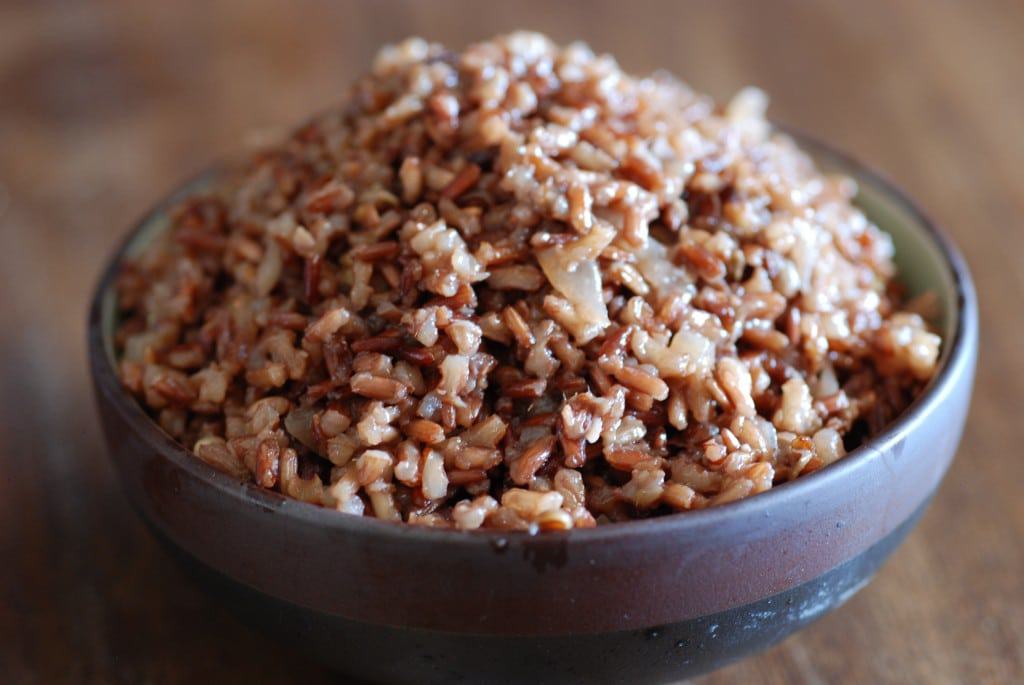
Red Rice
Red rice is a staple food in Bhutan and is often served with vegetables, meat, and lentils. The rice has a nutty flavor and is grown at high altitudes. It is usually cooked with a small amount of oil, salt, and water, and is a healthier alternative to white rice.
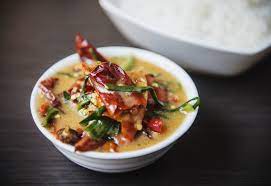
Ema Datshi
Ema Datshi is one of the most popular dishes in Bhutan. It is made by combining diced chili peppers with locally produced cheese, which is usually made from the milk of the female yak. The dish is spicy and creamy and is usually served with rice.
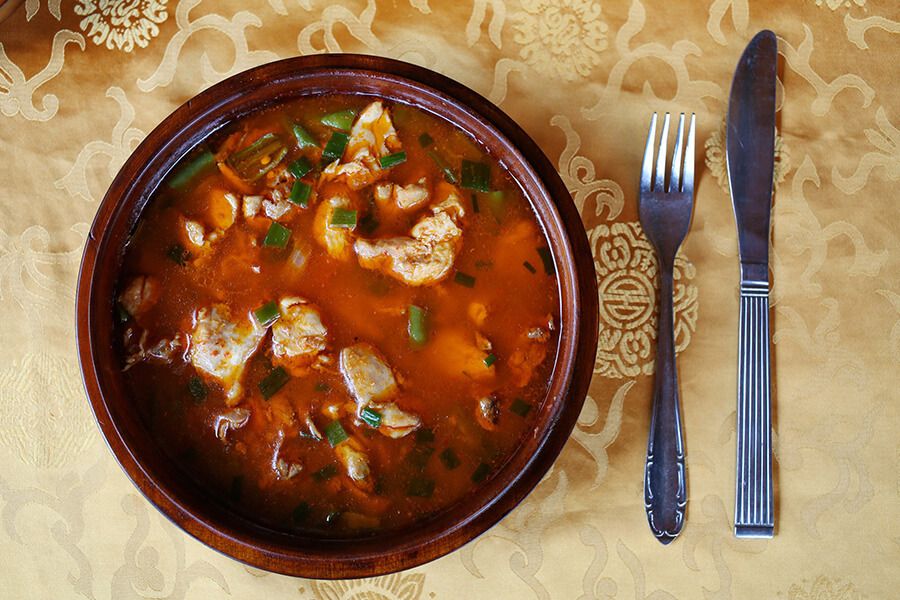
Jasha Maru
Jasha Maru is a spicy chicken stew that is often served with rice. The dish is made with boneless chicken, tomatoes, onions, garlic, and a variety of spices, including ginger, cumin, and coriander. The result is a flavorful and hearty stew that will warm you up on a cold day.
Momos
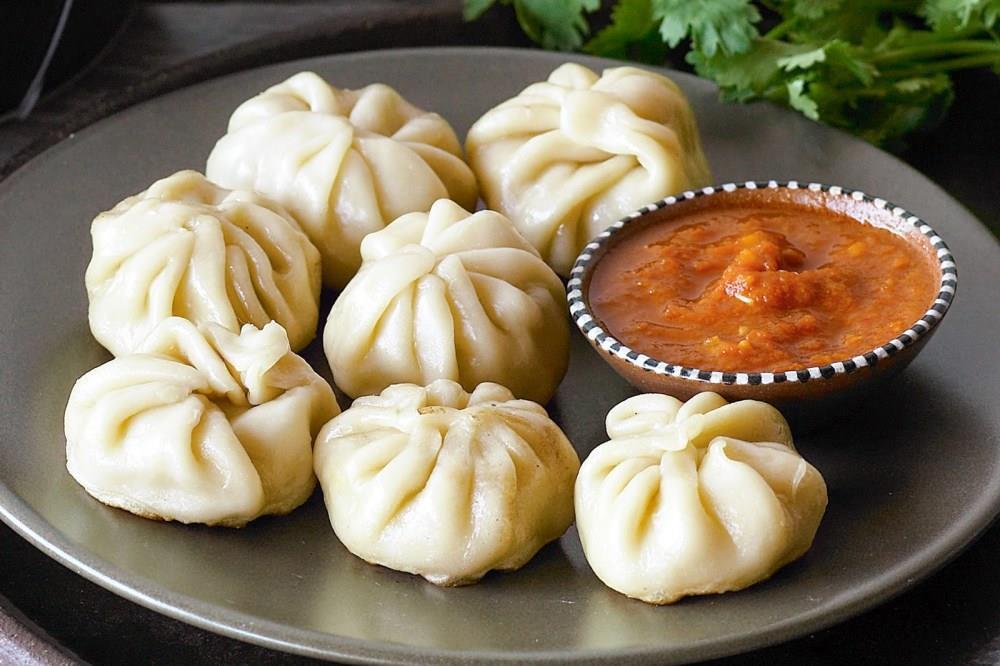
Momos are a type of dumpling that is popular throughout Bhutan and the surrounding region. The dumplings are filled with meat, vegetables, or cheese and are often served with a spicy tomato-based dipping sauce. They are a popular street food and can be found in markets and restaurants throughout the country.
Phaksha Paa
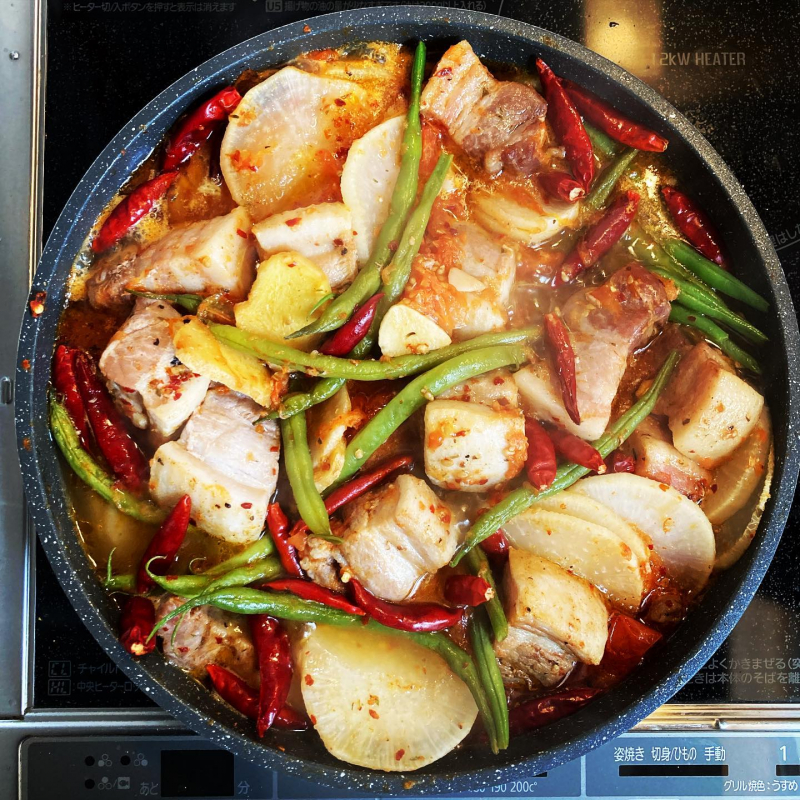
Phaksha Paa is a pork dish that is cooked with radish, chilies, and ginger. The pork is first marinated in a variety of spices and then slow-cooked with the vegetables. The result is a spicy and flavorful dish that is perfect for a cold day.
More About Bhutanese Cuisine
In addition to these dishes, Bhutanese cuisine also includes a variety of soups, stews, and snacks, such as fried rice and noodles. Food is often served with red chilies, which play a central role in everyday flavor rather than acting as a small garnish. That habit is one of the quickest ways to notice how differently spice is used in Bhutan.
Bhutanese cuisine is also notable for how closely it stays tied to local produce and relatively simple preparation. Many dishes use minimal oil and ingredients grown within the country. That gives the food a grounded character that matches the landscape it comes from.


