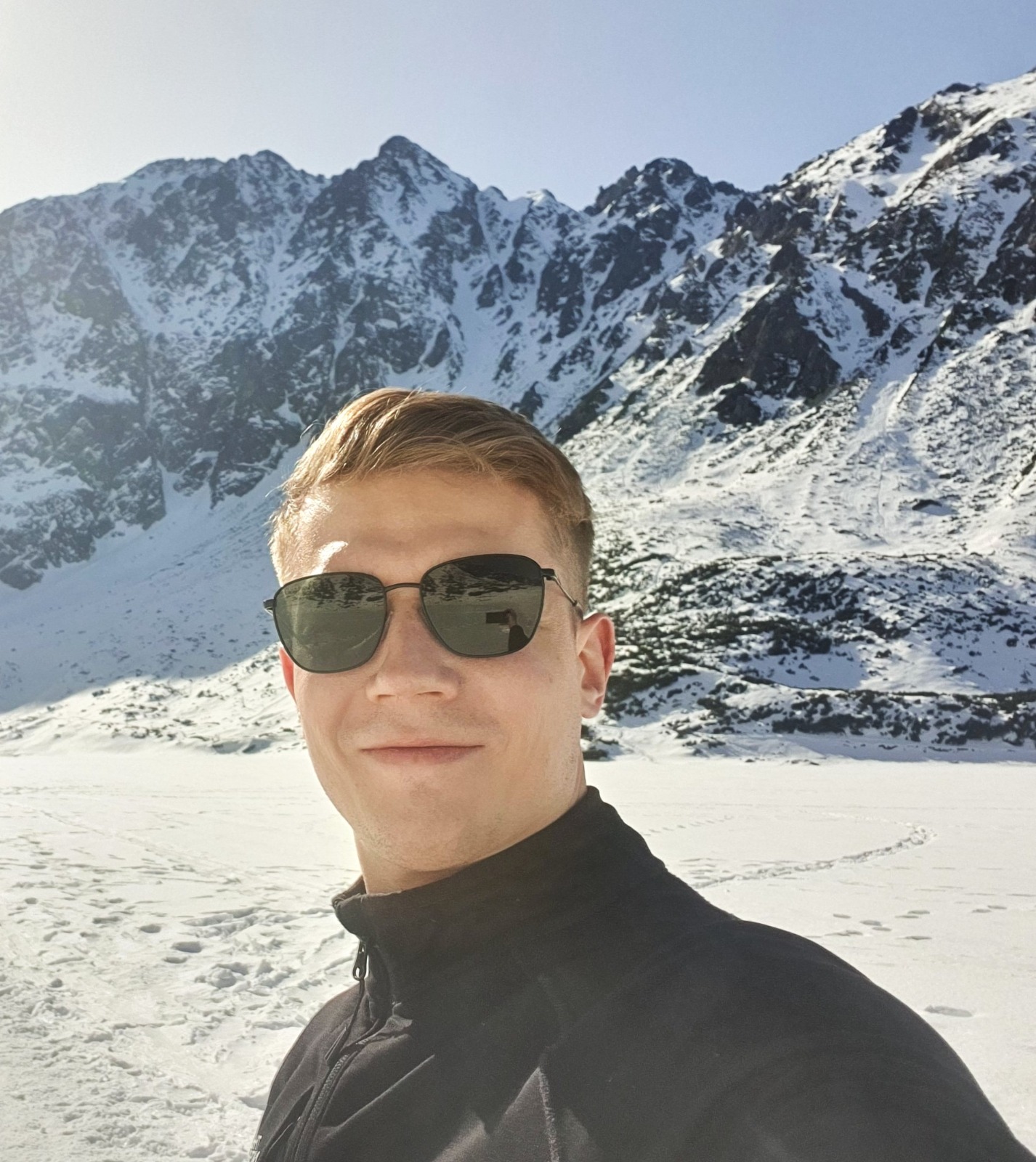

Have You ever wondered about travelling on a motorcycle? "Born to be Wild" song starts playing, You put on Your cool looking sunglasses and hit the road with the pack of riders... We all got that dream, well at least some of Us... In this article we will try to help You prepare for your first moto-trip and bring closer which gear actually matters.
TLDR Key Highlights
- Protection gear is non-negotiable and should absorb most of your budget.
- Comfort matters more than most first-timers expect, especially on longer days.
- Properly selected gear and small improvements can make huge difference on your trip.
- Luggage choice affects not only how the whole trip feels, but your safety and comfort.
- Most mistakes come from spending too little on safety and too much on accessories.
- You do not need everything before the first trip. You need the right things.
- Gear is a personal choice and should be tailored to your needs and the journey that You are planning on taking.
Before You start...
Think about how do You want to travel. There is no single "perfect" way. Some of us prefer faster rides and highways while others prefer to go off-road. Depending on the type of trip you are planning, you might need different types of gear and preparation. Ask Yourself those questions:
- Do You want to travel solo or with a group?
- What kind of terrain do You plan to explore?
- Are You more focused on off-road or urban areas?
- How much time do You have available, how much distance You want to make each day?
- What is Your driving experience in a planned trip conditions? Isn't the route that You plan to explore not too hard?
This article describes gear for 80% asphalt roads and 20% offroad trails. There will be some similarities though that You may find useful in other driving styles. Keep also in mind that this is my opinion only and Yours may be different
Right to the point
Ok to not get You bored with flush of words, cut to the chase. Below I post the gear I find most useful. I will go more into details why I chose that in the later part of the article.
- Obvious stuff but some may forget or missed
- motorcycle suited for the road. Adventure motorcycle like Yamaha Tenere 700cm3 or Honda Cb500x
- Wind protection... Yeah naked bikes I look at You, sorry but not my taste to take wind for a long time..
- good helmet that fits comfortably. Type: full face helmet with sun protection, pinlock screen, and good ventilation and safety parameters
- full motorcycle suit (jacket+trousers), gloves. I go with textile suit for good ventilation but leather suit would give You better abrasive protection and is worth considering if You plan to ride fast
- boots. Not only they will give You more safety but also comfort when rain catches You on the road. Also very useful on the offroad for proper support and ankle protection
- first aid kit
- phone charger / cable that You can connect while You drive
- More stuff
- good stable phone holder with water protection
- trunk / trail bag
- silver tape + hex keys / multitool
- Nice to have. Makes Your journey comfortable
- intercom
- motorcycle earplugs
- portable electric dryer (for gloves,boots)
- small bottle with windshield spray + wipers
Side note: If You are starting Your motorcycle adventure You may be surprised how the ridden distance is different felt on the motorcycle than on the car. For beginners You can expect that riding 100 km (62 miles) on a motorcycle is much more challenging than the same distance by car. This is due to the fact that wind hits You, You much more feel all the vibrations and Your body is more actively working. For estimation I use 2x multiplier for expected fatigue - 100km on motorcycle feels like 200 km by car.

Why those choices...
-
Motorcycle - 500cm3 is strong enough to carry You far and still have decent amount of power for overtaking. Going over 1000cm3 for a beginner will be harder. Motorcycle will be bigger and heavier and You really need experience with that much of power. Going lower than 500cm3 will make engine work loudly and You may feel lacking the power. Personally for longer trip good windshield is a god blessing. Once I made this mistake to take naked bike... no more. If You plan to ride long distances faster than 120km/h windshield is Your best friend.
-
Good helmet - make sure it fits comfortably. Too tight fit can make You feel headache after short time of riding affecting on your fatigue and safety. Too loose helmet won't protect properly during crash. I like full helmet for maximum protection. Add a Pinlock to help with windshield getting fogged up on colder weather. Sun visor is also really helpful.
-
Motorcycle suit - jacket, trousers, gloves, boots. Good suits affects Your safety during crash and warm comfort. Most budget on a gear should go into helmet and the suit. Suit gives You proper protection not only in an accident but also against rain, wind and harsh sun. First-timers often skip riding trousers than any other piece of protection. Most regret it. Regular jeans offer almost no abrasion resistance and no impact protection. Textile motorcycle trousers with CE-rated knee and hip armour are the practical solution: they handle variable weather, pack reasonably, and can pass as normal clothing off the bike. For boots it's worth checking if they have special materials used like goretex or membrane. If You plan offroad go with properly suited longer motorcycle boots. These will give Your feet proper support when maneuvering on a trail
-
Other essentials - in this category I put things like first aid kit, phone charger, good phone holder, trunk/trail bag. Check in advance if Your phone holder works properly. I wouldn't advice popular X-grip holders. Your back will thank You for using trunk or trail bag. Also more stuff can be easily packed so win-win situation
-
Nice to have...like really NICE: silver tape works like a charm when small repairs are needed. Hex keys are useful if some bolts get loose on the way (for example on the holder that You checked). Wipers and small bottle with windshield washer fluid will make it easy to keep Your helmet clean from the bugs caught on the way.
-
Intercom + earplugs. These deserve separate section. They make riding much more fun especially when riding on the group. Special motorcycle earplugs dump all nasty low noises while allowing to talk with friends. Also intercom increases safety because someone riding on the front can inform others about potential problems. Intercoms can get quite expensive so if You are low on a budget You can skip those. Also intercoms can have issues when pairing with intercoms from other producers so it's worth checking earlier which gear Your friends are using.
Does Gear Really Make That Much Difference?
Yes, if you accept what it is actually doing. Experienced riders know their limits. They know when fatigue is setting in, when weather is changing, when to stop. First-timers are still building that awareness, which means the gear has to do more of the work. A warm, well-protected, comfortable rider makes better decisions on the road. An exhausted or under-protected one makes worse ones. The smart approach is to understand which categories of gear shape the experience, and which ones can wait until you know more about how you ride.
Common First-Trip Gear Mistakes
The most common mistake is spending the budget on the motorcycle and treating gear as an afterthought. The second is buying the cheapest helmet available on the logic that any certified product is fine — certification sets the floor, not the ceiling. The third is skipping riding trousers entirely.
On luggage, the most common error is carrying more than the bike handles well and discovering that from the first hour on the road. So before You go on a long trip it's good to make "shakedown ride" that will reveal if something gets loose and needs additional attention.

Final notes
You may disagree with me or find other stuff more useful... and it's perfectly okay. There is no single "right" way to travel. Gear that You choose must fit Your needs and the best way to find out is to try it Yourself. I hope that this short guide will help You make the right choice that will work for You. See You on the road 🤘😎
FAQ
What gear matters most on a first motorcycle trip?
The biggest priorities are a properly fitting full-face helmet, a real riding jacket and trousers, gloves, boots, and luggage that stays stable on the bike. Those items influence both crash protection and how alert you still feel after several hours. If the budget is tight, cut accessories before you cut protective gear.
Is 500cc enough for motorcycle touring?
For many first riders, yes. Around 500cc is often the sweet spot because it is capable enough for touring and overtaking without becoming unnecessarily heavy or intimidating. The better question is not how much power sounds impressive, but how much motorcycle you can still manage confidently when the road, luggage, and fatigue all start working against you.
Do I need an intercom on my first trip?
No, not necessarily. An intercom is useful, especially for group riding, but it is a comfort and coordination upgrade rather than a first-purchase essential. If the choice is between an intercom and better boots or trousers, choose the protective gear every time.
Should I buy every accessory before my first moto-trip?
No. The first trip should teach you what kind of rider you actually are, not lock you into someone else's shopping list. Buy the protective basics first, do a shakedown ride, and let experience tell you which comfort upgrades are truly worth the money.


