

World Cup 2026 travel planning is no longer just about finding a match ticket. Late planners now need to choose the right host city, use official ticket channels, keep hotels flexible, check matchday transit, and avoid border-route mistakes across the United States, Canada, and Mexico. The tournament starts on 11 June 2026, so the practical advantage goes to travellers who simplify the route before prices and logistics tighten further.
Planning note, checked 31 May 2026: this article was reviewed against FIFA's official World Cup 2026 overview, FIFA's ticket page, FIFA's Last-Minute Sales Phase update, Sojern's April 2026 World Cup travel-demand analysis, and Associated Press reporting on World Cup hotel demand and travel friction. It covers travel planning, not match predictions.
Key Highlights
- World Cup 2026 runs from 11 June to 19 July across 16 host cities in the United States, Canada, and Mexico.
- FIFA lists official ticket options through FIFA.com/tickets, hospitality packages, and the FIFA resale or exchange marketplace.
- Hotel and flight demand is uneven by city, which makes city choice more important than chasing one generic "World Cup trip."
- Cross-border routes need extra care because the tournament spans three countries with different entry rules.
- The safest late-planning approach is to secure the ticket source first, then build a flexible hotel and transport plan around the match city.
Why World Cup 2026 Travel Planning Is Different
World Cup 2026 is the first 48-team edition and the first men's World Cup spread across three host countries. FIFA's official overview lists 104 fixtures across Canada, Mexico, and the United States, which changes the travel problem. Instead of one national route with a few internal transfers, fans may be comparing separate border systems, long domestic flights, different stadium access patterns, and hotel markets moving at different speeds.
That means the best World Cup 2026 travel guide is not a list of all host cities in isolation. It is a filter for choosing the city setup that matches your ticket, budget, passport, and tolerance for matchday logistics.
The main planning questions are simple:
- Do you already have a confirmed match ticket from an official channel?
- Is the host city easy to reach from your home airport?
- Can you stay near reliable transit rather than only near the stadium?
- Does the route cross from the United States into Canada or Mexico?
- Are you building one match weekend or a longer multi-city trip?
If the answer is unclear, keep the trip narrower. A clean one-city trip is usually better than a rushed three-city route that depends on perfect flights, tight border timing, and expensive last-mile transport.
The Host Cities That Need the Most Planning
The tournament host cities are Atlanta, Boston, Dallas, Guadalajara, Houston, Kansas City, Los Angeles, Mexico City, Miami, Monterrey, New York New Jersey, Philadelphia, San Francisco Bay Area, Seattle, Toronto, and Vancouver.
Some are easier to treat as city breaks. Others ask for more transport planning because the stadium, hotel zones, and airport geography may sit in different parts of the region. Use the stadium location as the anchor, then decide whether the right hotel is near sightseeing, rail, airport access, or the event shuttle plan.
Atlanta
Atlanta can work well for direct domestic and international flights, but the downtown event zone will matter more than a generic metro-area hotel search. Keep Mercedes-Benz Stadium access, late-night return options, and airport transfer time in the same plan.

Boston
Boston trips need a regional mindset because Gillette Stadium is in Foxborough, not central Boston. A good hotel choice depends on how matchday transport is operating, not just whether the room is close to the Freedom Trail or the airport.

Dallas
Dallas gives fans major-airport choice and a large stadium setup, but AT&T Stadium is in Arlington. Before booking, check whether your hotel plan makes the airport, fan activities, and matchday movement work without depending on a long post-match ride-hail queue.

Guadalajara
Guadalajara can be a strong Mexico-focused trip if you plan around Estadio Akron in Zapopan rather than assuming all movement starts in the historic centre. Build in more buffer for taxis, ride-hail, and post-match traffic.

Houston
Houston is useful for fans who want direct flights and a large hotel market, but the city is spread out. Treat NRG Stadium, airport choice, and summer heat as one practical planning problem.

Kansas City
Kansas City can be efficient for fans focused mainly on the match, but Arrowhead Stadium is part of a stadium complex rather than a dense downtown district. Check parking, shuttle, and return-route details before deciding where to stay.

Los Angeles
Los Angeles planning starts with distance discipline. SoFi Stadium is in Inglewood, and a hotel that looks close to "Los Angeles" can still leave you with a slow matchday transfer if you ignore traffic, airport choice, and post-match pickup zones.

Mexico City
Mexico City offers the strongest full-city break of the Mexico host cities, but Estadio Azteca sits south of the central tourist zones. Stay where the wider trip makes sense, then plan stadium movement with real time buffers.

Miami
Miami needs the same distance check as Los Angeles. Hard Rock Stadium is in Miami Gardens, so a beach-focused hotel can be a good trip choice only if you have already solved the matchday transfer.

Monterrey
Monterrey is attractive for fans building a Mexico route beyond the capital, but Estadio BBVA is in Guadalupe. Check cross-city movement, heat, and border-entry timing before combining it with U.S. match stops.

New York New Jersey
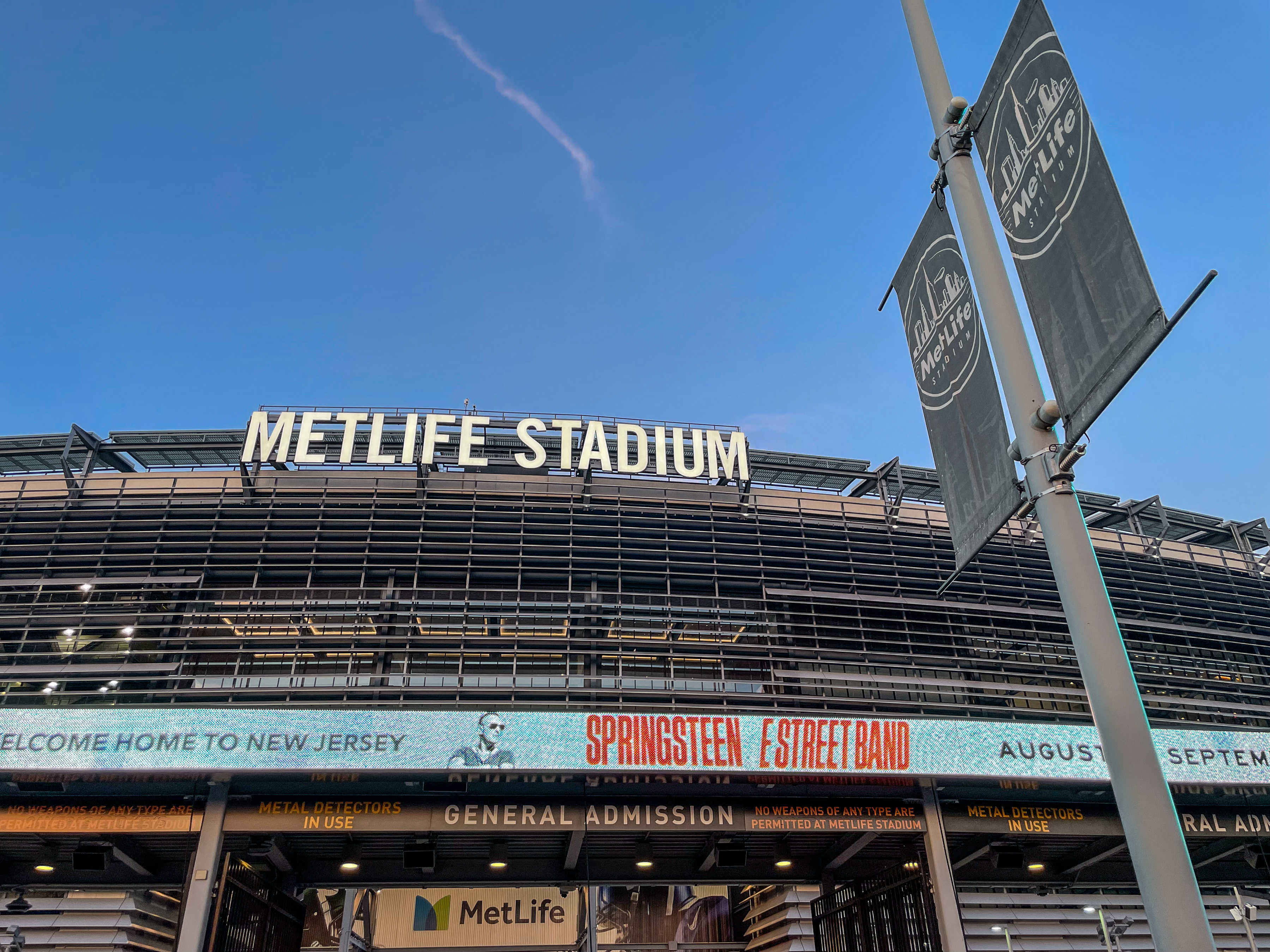
New York New Jersey is attractive because it works as a major international gateway and a full city trip beyond the match. It also requires practical discipline. MetLife Stadium is in East Rutherford, New Jersey, not central Manhattan, so the hotel decision should be based on matchday access rather than only sightseeing preference.
If this is your first visit, pair the match plan with New York City Travel Guide for First-Time Visitors. Keep late-night return logistics and airport transfer time inside Travel Checklist before you commit to a hotel.
Philadelphia
Philadelphia can make sense as a city-break match trip because the central city and stadium district are easier to frame than some larger metro areas. Still, check post-match transit and whether your hotel is better placed for sightseeing, airport access, or the stadium.

San Francisco Bay Area
The San Francisco Bay Area needs extra precision because Levi's Stadium is in Santa Clara, not San Francisco. Airport choice, rail timing, and hotel location can change the trip more than the city name suggests.

Seattle
Seattle is one of the cleaner U.S. host-city options for fans who want a central stadium and a city break, but downtown hotel prices and event-day movement still need checking. Keep airport transfer time realistic, especially for early departures after a night match.

Toronto
Toronto can work well for a Canada-focused trip, especially if you plan around transit and central accommodation. BMO Field is close to the waterfront and Exhibition Place, but the city will still need event-day buffers.

Vancouver
Vancouver is one of the more straightforward host-city choices because BC Place sits close to the central city. It can work well for fans who want stadium access, waterfront sightseeing, and a walkable wider trip without moving hotels.

Tickets, Hotels, and Transport: What to Lock First
The order matters. Start with the ticket source, then hotel flexibility, then matchday transport.
Use official ticket channels
FIFA's ticket page lists current ticket access through FIFA.com/tickets, the official marketplace, hospitality, and related ticket services. If you are late to planning, do not build a full itinerary around an unofficial promise. The risk is not only overpaying. It is arriving with a ticket that does not transfer or scan correctly.
Keep hotels changeable where possible
Recent reporting around U.S. World Cup hotel demand has been mixed: some markets show softer-than-expected hotel bookings, while travel-demand data still shows strong flight interest for the tournament window. That is useful for travellers because it means assumptions can be wrong in both directions. A city that looked impossible may loosen. A city that looked calm may tighten once fans with tickets book late.
For late planners, refundable or changeable accommodation is worth more than a small headline discount. It lets you react if ticket access, flight timing, or matchday transport changes.
Plan the last mile before you book the room
Do not leave stadium access for the week of travel. For some host cities, public transport, shuttles, ride-hail zones, parking, and road closures may decide whether the day feels manageable. The cheapest hotel is not cheap if it forces an expensive, unreliable post-match return.
Three Trip Structures That Make Sense
One city, one match, four nights
This is the cleanest structure for most fans. Arrive one or two days before the match, leave one day after, and keep the rest of the trip local. It works especially well for New York New Jersey, Vancouver, Toronto, Mexico City, Philadelphia, and Boston because each can support a proper city break around the match.
One region, two matches
This can work if the matches are in cities with strong flight or rail logic. It is more realistic when you are not crossing borders and when both matches are already ticket-confirmed. Build the route around rest days, not only map distance. Event travel gets tiring faster than ordinary city-hopping because matchdays consume more time than the game itself.
One long North America trip
A longer trip can make sense if World Cup 2026 is the anchor for a larger summer route. The trade-off is complexity. You may need separate entry checks, longer flights, different phone and payment assumptions, and more hotel decisions. Use Travel Tips for the general planning layer, then keep the live route in Travel Checklist so documents, tickets, hotels, and transfers are not scattered across apps.
Border and Entry Checks for a Three-Country Tournament
The three-country format is the detail that can trip up confident travellers. A fan flying into the United States, attending a match, then adding Canada or Mexico is not just extending the same domestic trip. Each border has its own entry logic.
Before booking a multi-country route, check:
- passport validity for every country in the route,
- visa or electronic authorisation requirements,
- whether your return flight depends on a different country from your first arrival,
- proof of accommodation and onward travel,
- phone access to documents if mobile data fails.
For U.S. segments, start with United States travel safety and confirm official entry requirements for your nationality separately. TravelWake safety pages help frame the destination, but they do not replace government entry checks.
Matchday Logistics and Safety Basics
World Cup matchdays are not ordinary sightseeing days. You need less ambition and more buffer.
Use this matchday setup:
- Keep your ticket, ID, payment card, and hotel address available offline.
- Leave more time than a normal stadium event would require.
- Eat before moving toward the stadium if your schedule is tight.
- Carry a small battery pack and a weather-appropriate layer.
- Know your return route before kickoff.
Avoid turning matchday into a sightseeing sprint. Stadium entry, security, fan movement, and post-match crowds can take over the day. If you want a landmark visit, place it on the day before or after the match.
What to Book Now If You Are Late
If you are still planning in late May or June 2026, focus on the parts that can actually break the trip.
First, confirm ticket access through an official source. Second, secure a hotel you can still change if the route shifts. Third, book flights only after checking airport-to-hotel and hotel-to-stadium movement. Fourth, save all documents offline. Fifth, build a simple backup plan in case the matchday return takes longer than expected.
This is also where budget control matters. World Cup travel can make small errors expensive because prices move around event demand. Use Budget Travel in 2026 for the broader cost logic, then apply it locally to hotels, transport, and food near your host city.
Source Check for This Update
- FIFA World Cup 2026 overview: checked 31 May 2026. FIFA lists the tournament dates, three host countries, 16 host cities, expanded 48-team format, and 104-match structure.
- FIFA tickets page: checked 31 May 2026. FIFA directs fans to official ticket, marketplace, hospitality, transfer, parking, and sales-phase information.
- FIFA Last-Minute Sales Phase update: checked 31 May 2026. FIFA says ticket inventory continues to be released during the Last-Minute Sales Phase, subject to availability.
- Sojern World Cup 2026 travel-demand analysis: checked 31 May 2026. Sojern reported uneven but active flight-booking growth across many host cities and noted that many World Cup travellers were planning trips of six days or longer.
- Associated Press reporting on U.S. World Cup hotels: checked 31 May 2026. AP reported that some U.S. hotel operators were seeing softer-than-expected demand and cited concerns around visa wait times, ticket prices, and transit costs.
FAQ
When is World Cup 2026?
World Cup 2026 runs from 11 June to 19 July 2026. It is being hosted across Canada, Mexico, and the United States, with matches spread across 16 host cities. Because the event is distributed across a continent-sized region, the travel plan matters almost as much as the match ticket.
What is the best city for World Cup 2026 travel?
There is no single best city for everyone. New York New Jersey, Toronto, Vancouver, Mexico City, Boston, and Philadelphia are strong if you want a city-break feel around the match. Dallas, Houston, Atlanta, and Kansas City may suit travellers who care more about direct flights and match access. The better choice is the city where ticket, hotel, airport, and stadium logistics line up cleanly.
Should I book a hotel before buying World Cup tickets?
Only if the hotel is flexible and you are comfortable changing the trip. For most travellers, the safer order is confirmed ticket source first, then hotel, then flights. If you book accommodation early, choose a cancellation policy that protects you if the match city or ticket plan changes.
Can I visit more than one country during World Cup 2026?
Yes, but treat each country change as a real border step. A route that combines the United States with Canada or Mexico may require separate entry checks, different documents, and more buffer between flights or matches. Do not assume the tournament format makes cross-border travel automatic.
Are official FIFA tickets still available?
FIFA's ticket page should be treated as the current source for availability. FIFA has described a Last-Minute Sales Phase with ticket inventory released subject to availability, but availability can change quickly by match and category. Do not rely on unofficial resale claims without checking FIFA's official ticket channels.
How many days do I need for a World Cup match trip?
Four nights is a practical minimum for many international fans: arrive before the match, keep one full matchday, and leave enough recovery time after. Domestic travellers may be able to do a shorter trip, but tight same-day plans are vulnerable to flight delays, stadium queues, and post-match transport pressure.


